The Art of Gongfu Cha: A Step-by-Step Guide
Gongfu Cha, which translates to “making tea with skill,” is a traditional Chinese method of brewing tea that focuses on extracting the full flavor potential of high-quality leaves through multiple short infusions. Unlike Western-style steeping, where a small amount of tea is brewed for several minutes, Gongfu Cha uses a higher leaf-to-water ratio and very brief steeping times, allowing the drinker to experience how the flavor evolves over successive infusions. This approach is particularly suited to oolong teas, whose complex, layered notes unfold gradually when brewed with precision.
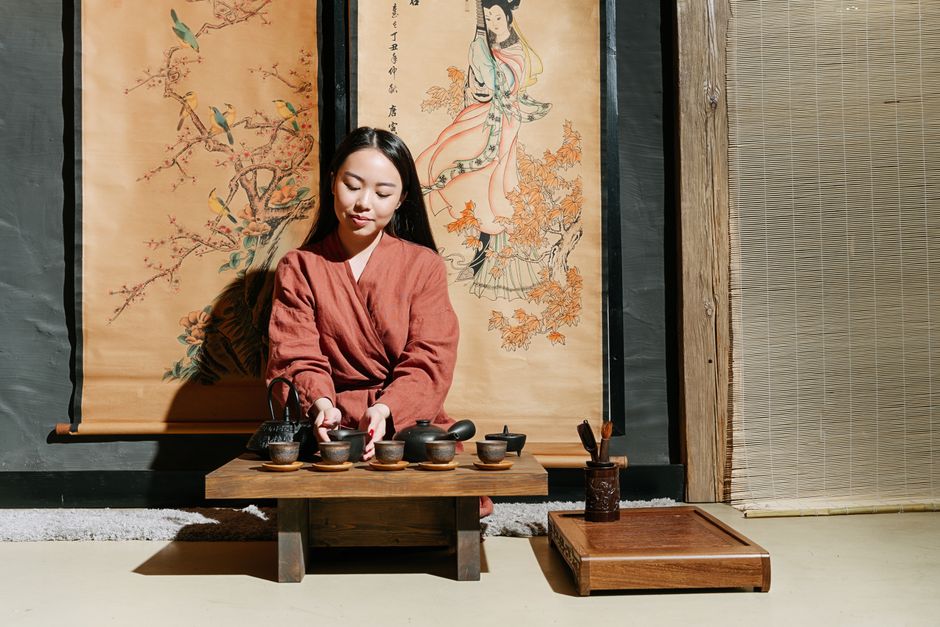
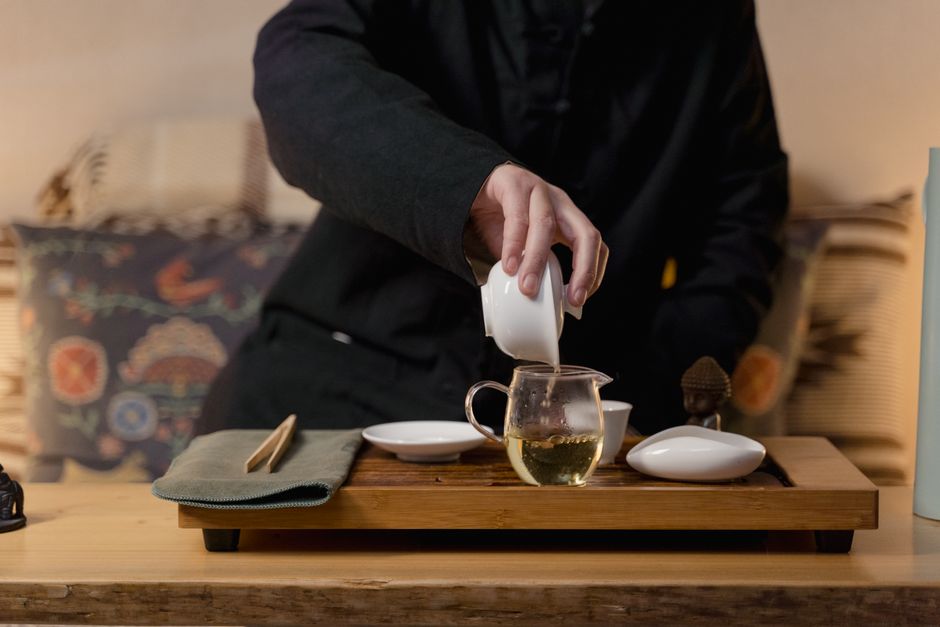
The process requires a few specialized tools, the most important being a gaiwan — a lidded bowl with a saucer that allows for easy pouring and control over steeping. Other essentials include a fairness pitcher (gongdao bei), small tasting cups, a tea strainer, and a kettle with precise temperature control. While the ceremony may appear intricate, it is a methodical practice that can be learned step by step. The following guide outlines the key stages, from preparation to the final infusion, with an emphasis on consistency and observation.
Understanding the Leaf-to-Water Ratio for Oolongs
One of the cornerstones of Gongfu Cha is the generous use of tea leaves relative to water. For most oolong teas, a ratio of roughly 5 to 7 grams of leaves for every 100 milliliters of water is commonly suggested. This is significantly more than the 2 to 3 grams used in Western brewing. The exact amount can be adjusted depending on the specific oolong — tightly rolled Taiwanese oolongs may require slightly more volume, while more open-leaf Wuyi rock teas may need less. The high ratio ensures that each short infusion delivers a concentrated, aromatic liquor without becoming overly bitter.
Measuring by weight rather than volume is recommended for consistency, as leaf density varies. A small digital scale can help achieve repeatable results. When leaves are placed in the gaiwan, they should fill roughly one-third to one-half of the vessel’s capacity. This visual cue can serve as a practical guideline when a scale is not available. Over time, brewers learn to adjust the ratio based on the tea’s character and personal preference.
Warming the Utensils and Preparing the Gaiwan
Before any tea touches the leaves, all vessels are preheated with hot water. This step serves multiple purposes: it warms the clay or porcelain, which helps maintain stable brewing temperatures; it rinses away any dust or residue; and it primes the cups to receive the tea without cooling it too quickly. Boiling water is poured into the gaiwan, then transferred to the fairness pitcher and the cups. The used water is discarded, but the residual heat remains.
The gaiwan is then prepared for the leaves. With the lid slightly ajar, the hot water is poured out, and the bowl is dried briefly with a clean cloth if necessary. Holding the gaiwan by the rim to avoid burns, the brewer adds the measured tea leaves. A gentle swirl of the gaiwan can release the dry aroma — a practice that is both sensory and informative, as the scent offers clues about the tea’s roast level and freshness.
The Rinse: Awakening the Leaves
Known as the “rinse” or “awakening” infusion, this step involves pouring hot water over the leaves and immediately decanting it. The water temperature should be appropriate for the oolong — typically between 195°F and 205°F (90°C to 96°C) for most varieties, though lighter gaoshan oolongs may benefit from slightly cooler water around 185°F (85°C). The rinse is not meant to extract flavor but to hydrate the leaves and allow them to begin unfurling. The short contact time — usually 5 to 10 seconds — prevents any significant extraction.
After the rinse, the lid is placed back on the gaiwan, and the leaves are left to steep in their own residual moisture for about 30 to 60 seconds. This resting period, sometimes called the “steaming” phase, softens the leaves further and prepares them for the first proper infusion. The rinsed water is typically discarded, as it may contain fine dust or impurities. Some experienced brewers, however, choose to drink a very weak first infusion, but the conventional approach is to discard the rinse.
Brewing the First and Subsequent Infusions
For the first actual infusion, water at the target temperature is poured into the gaiwan, filling it almost to the brim. The lid is used to gently skim any foam or floating particles, then placed back on with a slight tilt to allow pouring. The steep time for the first infusion is short — generally 15 to 30 seconds, depending on the tea’s density and personal taste. The liquor is poured through a strainer into the fairness pitcher, which then distributes it evenly into the small tasting cups. Observing the color and clarity can help gauge whether adjustments are needed for the next round.
As the leaves continue to open, subsequent infusions require progressively longer steeping times. A common pattern is to increase each steeping by 5 to 10 seconds. For tightly rolled oolongs, the second and third infusions often produce the most aromatic and balanced cups. After three to five infusions, the leaves are fully expanded, and the flavor may begin to fade, but many high-quality oolongs can yield seven or more infusions before exhaustion. The brewer learns to sense when the leaves are spent by tasting and observing the thinning of the liquor.
“The art of Gongfu Cha lies not in following a fixed recipe, but in observing the leaves and adjusting each variable — temperature, time, and ratio — to the specific tea and the moment. Each infusion tells a story of how the leaves respond to water and heat.”
Water Temperature and Its Role in Extraction
Temperature control is a key variable throughout the Gongfu process. Different oolongs require different heat levels to unlock their aromatic compounds while avoiding excessive astringency. Highly oxidized or roasted oolongs such as Wuyi rock teas or aged Tieguanyin can withstand near-boiling water. Lighter, greener oolongs like High Mountain Alishan or Dong Ding respond better to water around 195°F (90°C). The brewer may also adjust temperature progressively — starting cooler for delicate floral notes, then raising the heat for later infusions to extract deeper flavors.
Using a variable-temperature kettle makes this adjustment straightforward, but an alternative method involves letting boiled water cool in a pitcher for a measured amount of time. For example, pouring boiling water from one vessel to another once lowers the temperature by about 5°F to 10°F. Observing the steam behavior and listening to the sound of the water as it pours can also become intuitive guides. Consistent temperature monitoring helps avoid under-extraction or bitterness, especially when working with multiple short infusions.
Developing a Personal Gongfu Routine
While the steps above provide a structured framework, Gongfu Cha is ultimately a practice of mindfulness and adaptation. Experienced brewers often develop their own rhythms — adjusting ratios, steep times, and temperatures based on the tea and their environment. The goal is not to achieve a single perfect cup, but to enjoy the journey of how each infusion offers a different facet of the tea’s character. Keeping a simple brewing journal noting the parameters used for each tea can be helpful for building intuition over time.
Another aspect of personalization involves the choice of brewing vessel. A gaiwan is the most common tool, but yixing clay teapots and porcelain pots also work well, each imparting subtle differences to the liquor. The size of the vessel influences the amount of leaves and water, so the ratio should be recalculated accordingly. Ultimately, the art of Gongfu Cha rewards patience and curiosity. Through repeated practice, the process becomes a meditative ritual that deepens one’s appreciation for the complexity of oolong and other teas.