Matcha vs Sencha: Two Distinct Green Tea Experiences
Green tea offers a wide range of experiences, and two of the most well-known Japanese varieties are Matcha and Sencha. While both come from the same plant, Camellia sinensis, their cultivation, processing, and preparation methods lead to distinct characteristics. Understanding these differences can help tea drinkers appreciate what each type brings to the cup. This article examines the key aspects of Matcha and Sencha, focusing on how they are grown, processed, and traditionally consumed.
Matcha is a powdered green tea traditionally used in Japanese tea ceremonies, while Sencha is a whole-leaf tea that is steeped in hot water. The differences begin in the field and continue through production and preparation. Each variety offers a unique combination of flavor, aroma, and potential effects on the body. By exploring these elements, readers can gain a clearer picture of how Matcha and Sencha fit into different contexts and preferences.
Tea Culture, as an organization dedicated to sharing knowledge about tea, often highlights the importance of understanding such distinctions. The following sections provide a structured comparison of these two green teas, covering cultivation, flavor profiles, chemical composition, and preparation methods.
Cultivation and Processing Differences
The cultivation process for Matcha and Sencha diverges several weeks before harvesting. For Matcha, the tea plants are shaded for about three to four weeks prior to picking. This shading reduces direct sunlight, which increases the chlorophyll content and boosts the production of L-theanine, an amino acid that contributes to umami flavor. The leaves are then harvested, steamed, and dried before being ground into a fine powder using stone mills. The entire leaf is consumed when Matcha is whisked with water.
Sencha, on the other hand, is grown in full sunlight for most of its growth cycle. The leaves are typically harvested in the first flush (shincha) or later flushes. After picking, the leaves are steamed to prevent oxidation, then rolled and dried. This rolling process shapes the leaves into thin, needle-like forms. When brewed, Sencha releases its compounds into the water while the leaves themselves are discarded. The absence of shading results in a brighter, more astringent flavor profile compared to Matcha.
The processing steps also influence the shelf life and storage requirements. Matcha, being a powder, is more sensitive to light, heat, and oxygen, and is often stored in airtight containers away from sunlight to preserve its vibrant green color and flavor. Sencha, as whole leaves, maintains its quality longer under proper storage conditions, though both teas benefit from a cool, dark environment.
Flavor Profiles and Aroma
Matcha is known for its creamy, rich umami taste combined with a subtle sweetness and a hint of vegetal notes. The shading process increases the levels of L-theanine and chlorophyll, which contribute to a smooth, full-bodied mouthfeel. The powder form means that the entire leaf is suspended in the liquid, giving Matcha a thick, almost velvety texture. The aroma is often described as fresh, grassy, and slightly sweet, with very little bitterness when prepared correctly.
Sencha, in contrast, offers a more lively and bright flavor. Depending on the harvest season and processing method, Sencha can range from mildly sweet and floral to more astringent and grassy. The infusion is clear and golden-green, with a lighter body than Matcha. A high-quality Sencha typically has a balance of sweetness (from theanine) and astringency (from catechins), along with a fleeting bitterness that adds complexity. The aroma is refreshing, often reminiscent of steamed vegetables or fresh seaweed.
These flavor differences are directly related to cultivation and processing. The absence of shading in Sencha allows for the development of catechins, which contribute to astringency. Meanwhile, the shading and grinding in Matcha preserve more of the amino acids and reduce the perception of bitterness. When comparing the two, one notices that Matcha tends to be more concentrated in flavor, while Sencha offers a more nuanced and varied taste depending on the specific batch and brewing parameters.
Caffeine Content and L-Theanine Interaction
Both Matcha and Sencha contain caffeine, but the amount and the way it interacts with other compounds differ. Matcha typically contains more caffeine per serving when measured as a powder versus steeped leaves. Because the entire leaf is ingested, a standard serving of Matcha (about 1 gram or half a teaspoon) provides roughly 30–70 milligrams of caffeine. However, the presence of L-theanine in higher concentrations in Matcha may influence how the body processes caffeine.
L-theanine is an amino acid that promotes a state of calm alertness. It can work synergistically with caffeine to reduce the jittery effects often associated with coffee or stronger caffeinated beverages. This combination is one reason why Matcha is often described as providing a “calm energy.” The shading process increases the L-theanine content in the leaves used for Matcha, further enhancing this effect.
Sencha, while still containing both caffeine and L-theanine, generally has a lower L-theanine-to-caffeine ratio compared to Matcha. A typical cup of Sencha (using about 2–3 grams of leaves steeped in water) provides 20–40 milligrams of caffeine, depending on the steeping time and temperature. The absence of shading means the leaves have less L-theanine, so the caffeine may produce a more pronounced stimulating effect. However, individual responses vary, and factors such as brewing method and leaf quality play a role.
It is important to note that these effects are not guaranteed and depend on many variables, including the specific tea batch, preparation, and the consumer’s own metabolism. The interaction between caffeine and L-theanine is an area of ongoing study, and current understanding suggests that both teas can be part of a balanced approach to caffeine intake.
Preparation Methods and Traditional Uses
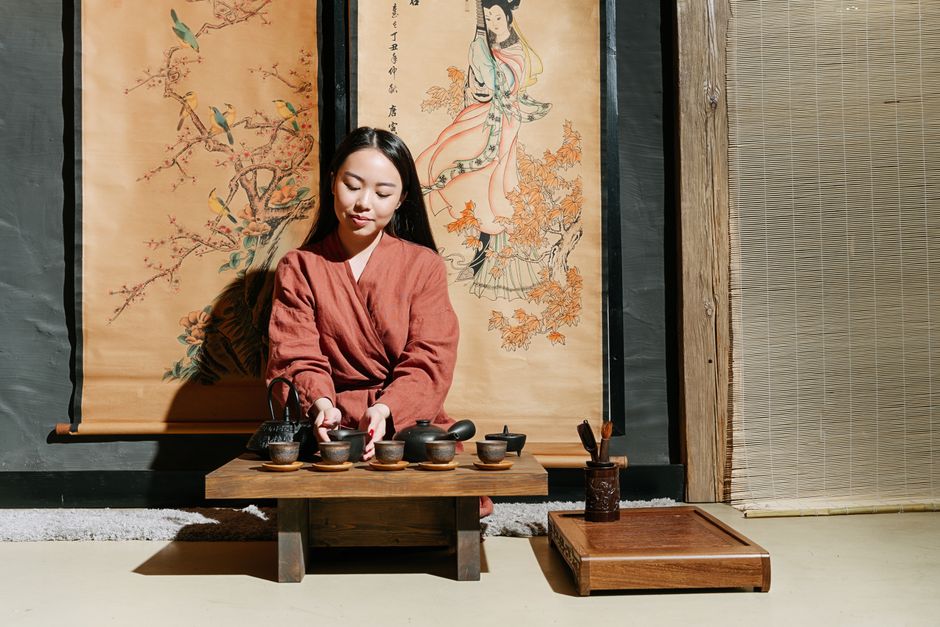
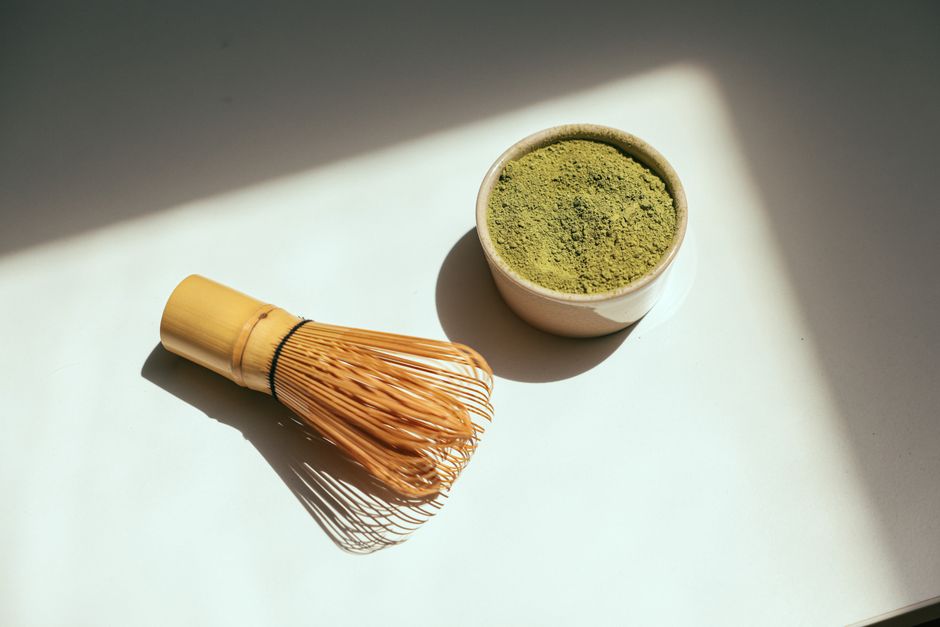
The preparation of Matcha is distinct from any other tea. Matcha is traditionally prepared using a bamboo whisk (chasen), a bowl (chawan), and a small scoop (chashaku). The powder is sifted into the bowl, hot water at around 175°F (80°C) is added, and the mixture is whisked in a zigzag motion until it becomes frothy. The resulting beverage is consumed entirely, leaving no residue. In the Japanese tea ceremony, Matcha is prepared with a specific ritual that emphasizes mindfulness and precision.
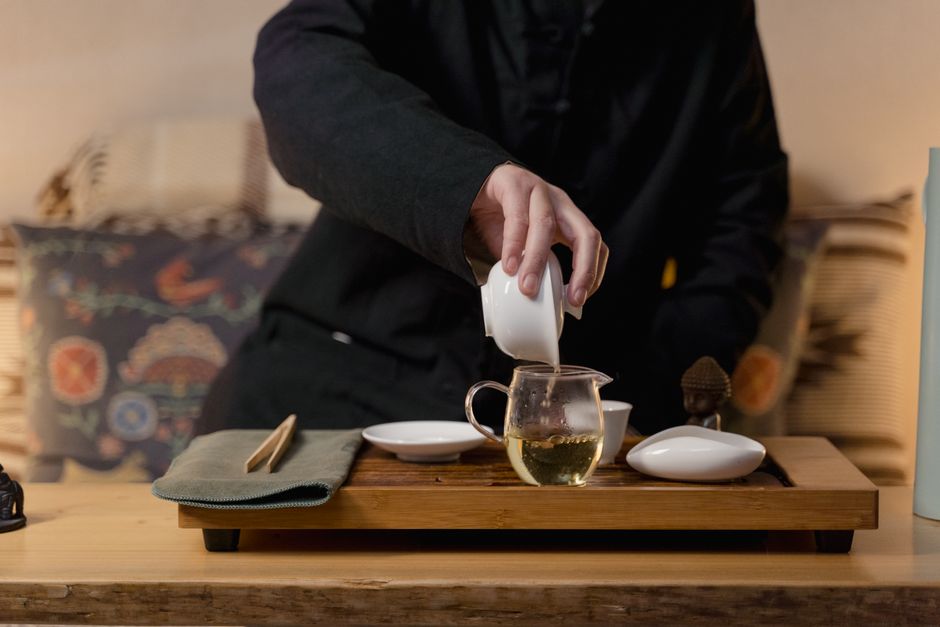
Sencha is steeped rather than whisked. Leaves are placed in a teapot or cup, and hot water (typically around 160–175°F or 70–80°C) is poured over them. The steeping time ranges from 30 seconds to 2 minutes, depending on the desired strength and the specific type of Sencha. The leaves can be infused multiple times, with each subsequent infusion extracting different flavor compounds. Sencha is a common daily tea in Japan and is often served with meals or as a refreshing beverage throughout the day.
Both teas have found places beyond traditional settings. Matcha is increasingly used in lattes, smoothies, and baking, while Sencha is often enjoyed iced or as a base for bottled green teas. The preparation methods affect not only the flavor but also the nutritional content, as longer steeping or whisking can extract more antioxidants and other compounds. Understanding these methods allows consumers to tailor their tea experience to their preferences.
Traditional and Modern Contexts
Historically, Matcha held a ceremonial role in Zen Buddhist monasteries, where it was used to enhance focus during meditation. Sencha, by contrast, became popular as a more accessible, everyday tea during the 18th century. Both have evolved in modern culture, but their traditional uses still inform how they are appreciated today. The cultivation and processing methods have remained largely unchanged, preserving the distinct identities of each tea.
In contemporary settings, Matcha is often associated with a more deliberate, ritualistic approach to tea drinking, while Sencha fits into a faster-paced lifestyle. However, both can be prepared simply at home with minimal equipment. The choice between Matcha and Sencha often depends on the desired experience: whether one prefers a creamy, all-in-one beverage or a more traditional steeped tea with a lighter body.
Tea Culture encourages exploration of these varieties to understand their unique qualities. No single type is superior, as personal taste and context play significant roles. By considering factors such as flavor preference, caffeine sensitivity, and intended use, individuals can select the tea that aligns with their needs. The key is to experiment with different grades and preparation parameters to discover what works best.